Limited Stock! Your Cart is Reserved for [X] Minutes
7 Reasons Most Compression Socks Don't Work for Pregnancy Swelling
Compression socks are one of the most common recommendations for pregnancy swelling.
But here's what many expecting moms don't realize until after they've bought a pair.
Not all compression socks are designed for pregnancy.
Here's why so many expecting moms try compression... only to end up disappointed.
They squeeze your legs. They don't support them.
A lot of compression socks rely on one thing:
More pressure & a tighter squeeze.
But pregnancy needs something different.
During pregnancy, your body produces more blood which pools inside your legs.
This blood needs to be pushed out, not trapped or squeezed in your legs.
They weren't designed for pregnancy.
Most compression socks were never designed with pregnant women in mind.
They were made for runners, athletes, hikers, or recovery.
Not for a body that's carrying more blood, retaining more fluid, and changing week after week.
Pregnancy isn't a generic condition.
Your compression socks shouldn't be generic either.
If they're uncomfortable, you won't wear them.
Most compression socks don't fail because they don't work.
They fail because they're uncomfortable enough to stop wearing.
Too hot.
Too tight.
Too difficult to put on.
Too uncomfortable to keep on all day.
The best pregnancy compression socks aren't the ones with the strongest compression.
They're the ones you'll still be wearing when your legs need them most.
Pregnancy swelling builds throughout the day.
Most women wake up feeling fine.
By lunchtime, their shoes feel tighter.
By the afternoon, their ankles have disappeared.
Pregnancy swelling usually gets worse as the day goes on, which is why the best time to put on compression socks is before your legs start feeling heavy.
Think of them as daily support, not end-of-day relief.
The wrong fabric feels even worse during pregnancy.
During pregnancy, little discomforts don't stay little.
A sock that's too hot.
A seam that rubs.
A cuff that digs in.
Fabric that feels itchy after a few hours.
It all adds up.
That's why the materials matter just as much as the compression itself.
You shouldn't need help getting dressed.
One of the biggest frustrations we came across wasn't actually the swelling.
It was women saying things like:
"I had to ask my husband to help me put them on."
As your bump grows, even simple things become harder.
Pregnancy compression socks should make your mornings easier, not become another reminder that your body doesn't move the way it used to.
So what should you look for?
After hearing the same frustrations from thousands of pregnant moms...
Compression socks that were too tight.
Too hot.
Too difficult to put on.
Or simply not designed for pregnancy...
We built ours differently.
Every decision, from the graduated compression to the soft bamboo knit, was made around one goal:
Helping pregnancy feel a little more comfortable.

3,458+ Happy Mothers Using LumaBelly💗
Try It Risk-Free Today
Frequently Asked Questions
Take the larger size. Compression stays effective and comfort improves. If the fit still isn't right, exchanges are free within 30 days.
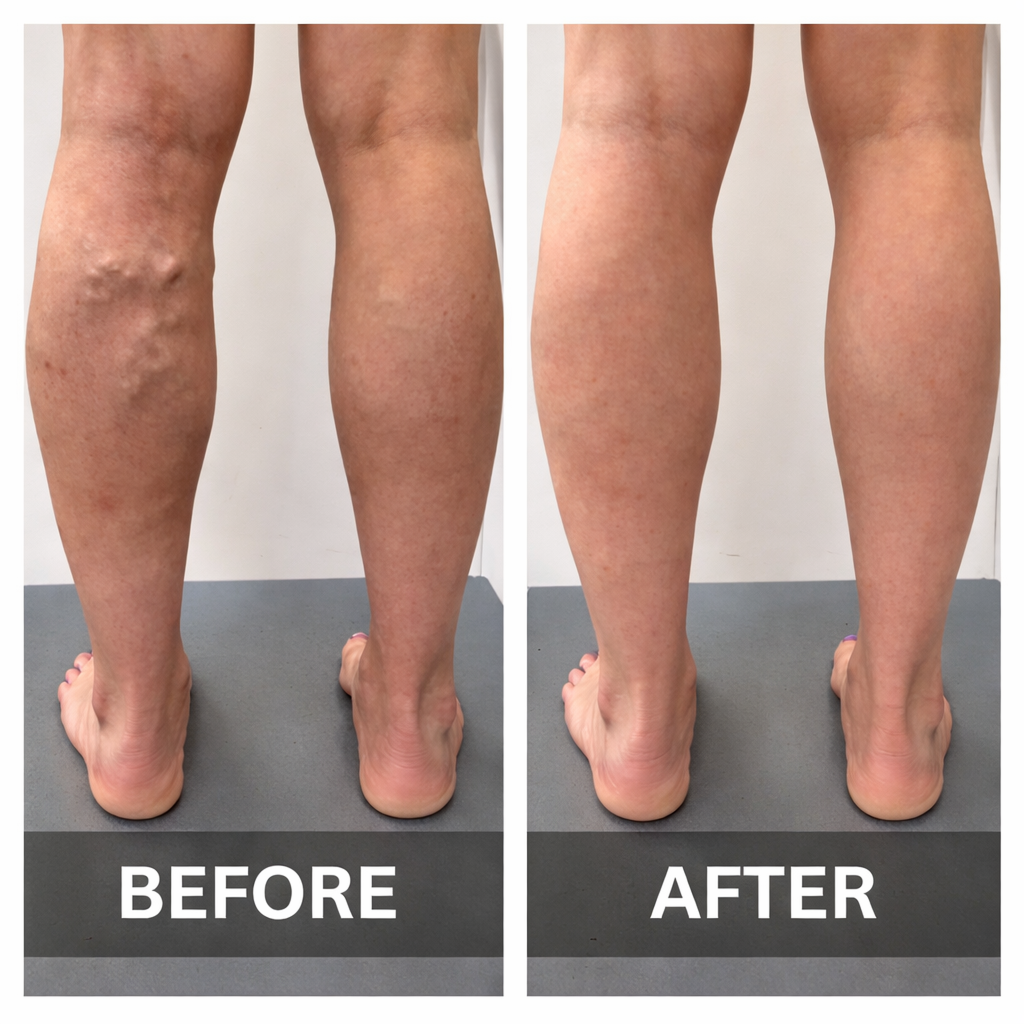
Without compression support, blood continues to pool in your legs throughout the day. Over time this leads to worsening swelling, increased leg pain, a higher risk of varicose veins, and a 5x higher chance of developing a blood clot (DVT). Compression socks are one of the simplest and most effective ways to protect your circulation during pregnancy.
Absolutely. LumaBelly socks are made from ultra-soft, breathable fabric that feels gentle against your skin all day long. Most of our customers say they forget they're even wearing them, which is exactly the point.
The earlier the better. Most doctors recommend starting in the first trimester before swelling even begins, as prevention is far more effective than treatment. However it is never too late, even if you are already in your third trimester and experiencing swelling, you will feel a difference within the first few days of wearing them.
How long do they last?
Yes. Compression socks work by applying graduated pressure from your ankle upward, pushing pooled blood back toward your heart. This directly reduces swelling in your feet, ankles and legs. 80% of pregnant women deal with swelling — these socks are specifically designed to address exactly that.
We offer a full 30-day money-back guarantee. If for any reason you are not happy with your LumaBelly socks, simply reach out to us at info@lumabelly.com within 30 days of purchase and we'll refund you completely. No hassle, no stress.
Yes. OB-GYNs generally recommend expecting moms to wear compression socks.
LumaBelly compression socks are designed specifically for pregnancy, and reviewed and approved by OB-GYNs.
Yes, and it is actually recommended. After birth, your blood volume is still elevated and your circulation needs time to return to normal. Wearing compression socks for several weeks postpartum helps your body regulate blood flow, reduces postpartum swelling, and lowers your risk of blood clots, which remain elevated for up to 6 weeks after delivery.